
Index:
Picture a fiber so soft it feels like a whisper against your skin, so warm it rivals cashmere, and so durable it can last decades with proper care. That’s alpaca wool from Peru — a material the Incas once called the “Fabric of the Gods,” reserved exclusively for royalty. Today it’s one of the most prized natural fibers in the world, and Peru remains its heart and soul.
In this guide, you’ll discover what makes alpaca wool so exceptional, why it’s inseparable from Peruvian culture, the fascinating history behind it, and answers to the most common questions about choosing, buying, and caring for it.
Alpaca Wool’s Deep Connection to Peru
Peru is home to the vast majority of the world’s alpaca population, concentrated in the high-altitude regions of Puno, Cusco, and Ayacucho. It’s this harsh, wind-swept environment — the puna, thousands of meters above sea level — that has shaped a fiber unlike any other on Earth. Some call it Peru wool, others Peruvian wool — same treasure, born from the same mountains.
Behind every scarf, sweater, or blanket is a network of Andean artisans who still hand-spin, dye, and weave using techniques passed down for generations. Choosing Peruvian alpaca wool isn’t just about buying a superior product — it’s about directly supporting these communities, whose livelihoods have depended on alpaca herding for thousands of years.
Here’s what sets it apart:
- Unmatched softness, especially in “baby alpaca,” sourced from an animal’s first shearing.
- Warmth without weight: hollow fibers trap air, delivering insulation far beyond what their light weight suggests.
- Hypoallergenic: unlike sheep’s wool, alpaca contains no lanolin, making it gentle on sensitive skin.
- Natural color palette: from creamy white to deep black, with no chemical dyes required.
- Exceptional durability: it resists pilling and holds its shape season after season.
- A sustainable choice: alpacas graze gently, need less water than many livestock, and their fiber regrows naturally every year.
If you’re curious about the artisans behind these pieces, or want to explore more of Peru’s textile heritage, you’ll find related stories throughout the blog.
The History of Alpaca in Peru: A Living Legacy
The story starts more than 6,000 years ago, in the windswept highlands of the Andes, where alpacas were first domesticated by pre-Inca cultures. The Incas later elevated the animal to near-sacred status: alpaca fiber was so valuable that, for centuries, only nobility was permitted to wear it. Picture an Inca noble draped in a shimmering alpaca cloak, walking the stone streets of Cusco — a living symbol of status and power.
That legacy hasn’t faded. Walk through an Andean market today and you’ll catch the earthy scent of freshly sheared wool, hear the rhythmic clack of wooden looms, and watch artisans — hands shaped by decades of craft — turn raw fiber into art. In Puno, it’s not unusual to see a weaver spinning with a simple hand spindle, a cup of coca tea steaming beside her. That mix of herbal warmth and crisp mountain air is Peru distilled into a single moment.
This unbroken thread between past and present is exactly what separates authentic Peruvian alpaca wool from any mass-produced imitation: it isn’t just a fiber, it’s living heritage.
Frequently Asked Questions About Peruvian Alpaca Wool
How to Choose Peruvian Alpaca Wool
Choosing alpaca wool is like selecting a fine gem — you’re looking for authenticity, not just appearance.
- Look for “baby alpaca” if softness is your priority; it comes from the animal’s first shearing.
- Check the fiber composition: the higher the percentage of pure alpaca, the softer and less itchy the garment.
- Favor handmade pieces over mass production — Peruvian craftsmanship shows in the texture and durability.
- Trust natural tones: overly uniform or artificial-looking colors often signal chemical dyeing.
Where to Buy Peruvian Alpaca Wool
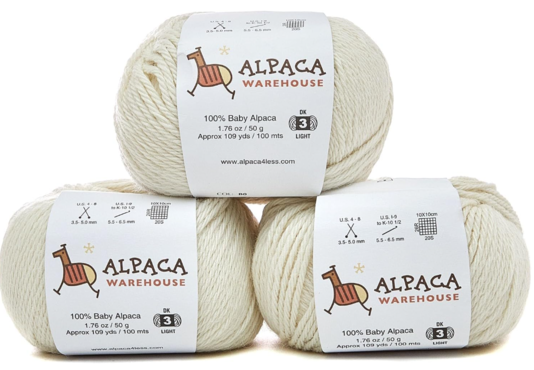
You’ve got a few solid options depending on your budget and style:

How Good is Alpaca Wool?
Genuinely exceptional. It’s up to five times warmer than sheep’s wool, noticeably lighter, water- and fire-resistant, and far less prone to pilling. If you’re after quality that lasts for years — not seasons — alpaca is hard to beat, even against luxury fibers like cashmere.
What is the Most Expensive Wool in Peru?
That title belongs to “baby alpaca.” Despite the name, it doesn’t come from baby animals — it’s the fiber from an adult alpaca’s very first shearing, which makes it exceptionally fine and soft. Its rarity and quality make it the most sought-after (and priciest) wool in the country.
Which is Warmer, Wool or Alpaca?
Alpaca wins, hands down. Its hollow fiber structure traps heat far more efficiently than sheep’s wool, without the extra weight and density. It’s no coincidence that in the high Andes — where the wind cuts like a blade — alpacas have kept shepherds warm for centuries.
Why Does Alpaca Wool Itch?
When alpaca wool itches, it’s usually a sign of coarser fiber or lower-grade processing — not the fiber itself. Fine-grade alpaca, like baby alpaca, is famously soft. If a piece feels scratchy, it’s likely not pure alpaca, or it wasn’t processed to a high standard.
How to Stop Alpaca Wool from Itching
- Confirm it’s pure alpaca, without synthetic blends.
- Hand-wash with a splash of white vinegar — it naturally softens the fibers.
- Wear a thin cotton layer underneath if the sensation persists.
How to Wash Alpaca Wool
- Use cold water and a gentle detergent.
- Submerge the garment without twisting or scrubbing.
- Let it soak briefly, then rinse gently.
- Lay flat on a towel to dry — never hang it or use a dryer, as this can distort its shape.
Can You Iron Alpaca Wool?
Direct ironing isn’t recommended — the heat and pressure can crush the fibers and damage their natural softness. Instead:
- Use a steamer, held 4–6 inches away from the fabric.
- No steamer on hand? Hang the garment in the bathroom during a hot shower; the natural steam does the job.
How to Make Alpaca Wool Soft Again
Soak the item in cold water with a tablespoon of hair conditioner for 15 minutes, rinse thoroughly, and dry flat. A gentle brush with natural bristles also helps restore that fluffy, just-sheared texture.
How to Tell if Alpaca Wool is Real
- By touch: genuine alpaca feels silky and doesn’t itch.
- On the label: look for Peruvian origin and fiber composition.
- The burn test: a small thread of real alpaca burns slowly and turns to ash; synthetics melt like plastic.
Conclusion: A Hug from the Andes
Peruvian alpaca wool is far more than a textile — it’s history, culture, and craftsmanship woven into every strand. Choosing it means choosing superior quality while directly supporting the Andean communities who’ve kept this tradition alive for millennia. Next time you wrap yourself in an alpaca scarf, remember: you’re carrying a genuine piece of the Andes with you.